



Si quieres leer esta edición en tu idioma, suscríbete al canal de WhatsApp de LatAm Explained en español.
Happy New Year! Thank you for supporting this project during its first year. I really appreciate it. If you want to help the newsletter grow, please share it with friends or anyone interested in Latin America. You can also find me on Instagram, TikTok, X, and follow LatAm Explained on Instagram.
This week’s issue is coming out a bit later than usual because I thought most people wouldn’t be reading the news earlier in the week. Maybe you’re not reading it now either, but I wanted to avoid overlapping with next Monday’s regular issue. So, I’m trying something new: instead of covering recent events, let’s look ahead to the major elections coming up in our region in 2026.
One thing stands out in all these elections: polarization. It’s made me think about journalism’s role and why I started this newsletter in the first place.
I’ve been called both a communist and a fascist, so maybe that means I’m doing something right. I try to stay in the center, sticking to the facts and aiming for balance, which I think is missing in journalism today. Over the past decade, it seems like people mostly want to hear their own views confirmed instead of looking for balanced information. Journalists are partly to blame, but it’s also a way to survive by adapting to what audiences want.
I can’t predict the future, but if I can help push back against that trend, even a little, I see that as my job as an independent journalist. But hey, if Residente and J Balvin reconciled, nothing says that our societies can't. So allow me to be optimistic.
This year, four major Latin American countries will hold presidential elections: Costa Rica in February, Peru and Colombia in the spring, and Brazil in October. Each country is deeply polarized, with voters choosing between very different paths. In Costa Rica, 20 candidates are running during a crime wave. In Colombia, voters will decide whether to continue Petro’s left-wing experiment or return to the right. In Peru, 34 candidates are competing in a country that has had nine presidents in ten years. In Brazil, 80-year-old Lula is seeking a fourth term, while the right searches for someone to challenge him after Bolsonaro was imprisoned.
These elections will shape the region for the rest of the decade. We’ll see if Latin America’s recent shift to the right continues, whether voters put security ahead of social programs, and if institutions can stay strong as authoritarianism grows.
Let’s take a closer look at what to expect in each country.
Costa Rica: February 1
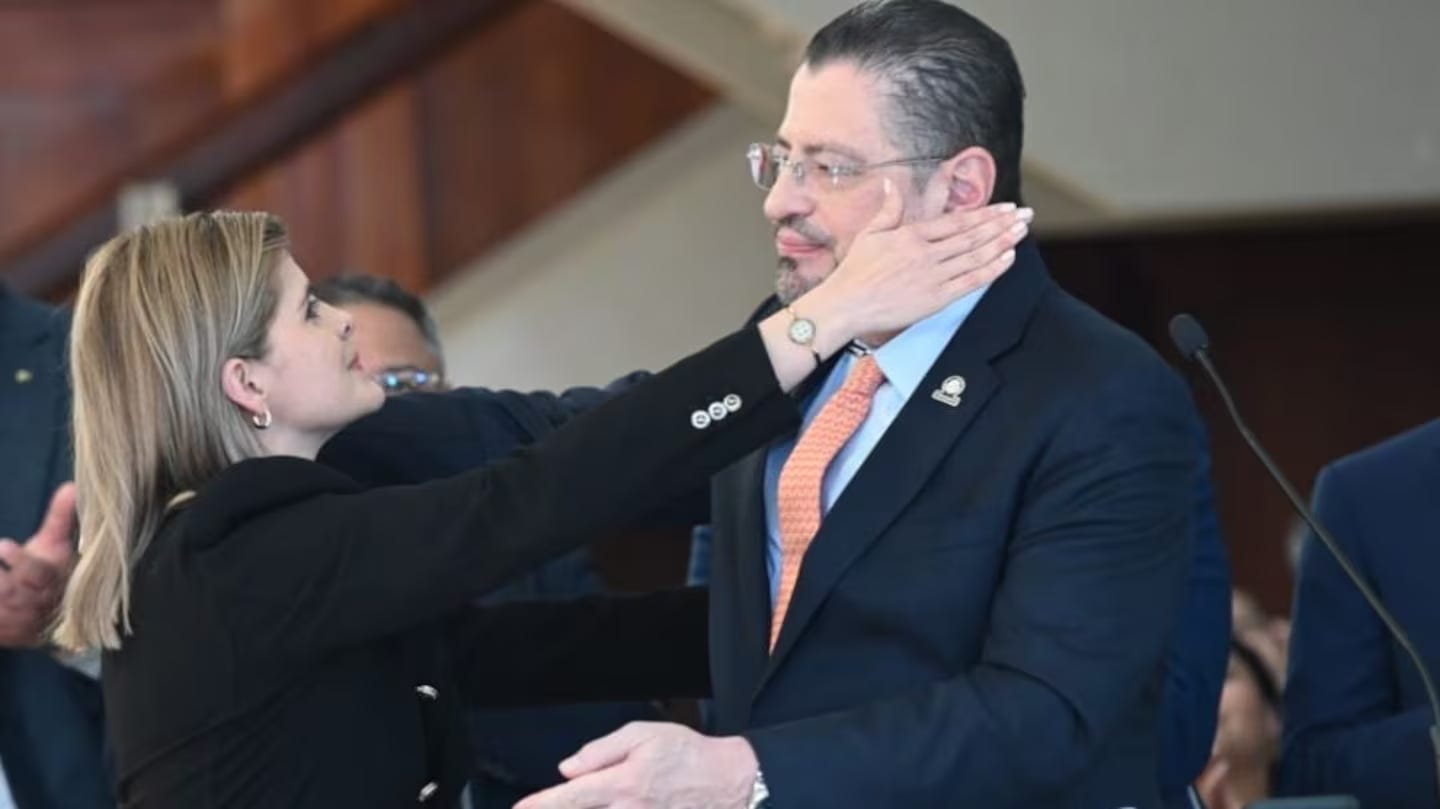
We’ve talked a lot about President Rodrigo Chaves in this newsletter, including his conflicts with institutions, two impeachment attempts, and his confrontational style. Now, Costa Rica is showing signs of strain in what was once Latin America’s model democracy.
The February 1 election is wide open. There are twenty candidates, and more than half of the voters have not made up their minds. Laura Fernández, a Chaves supporter, is slightly ahead. Far-right evangelical Fabricio Alvarado is in second. Centrist Álvaro Ramos and former First Lady Claudia Dobles are also in the race. Most voters are worried about crime and corruption, which could give hardline candidates an advantage.
Since no candidate is likely to get 40 percent of the vote, there will probably be a runoff in April. I hope Costa Rica has a smooth transition and keeps its strong democratic tradition. The country’s institutions have already made it through Chaves’s presidency. They will be tested again, but they have held up in the past. Costa Rica deserves better than division and strongman politics.
Peru: April 12

Peru is holding elections with a record 34 candidates, showing just how chaotic the country’s politics have become. This will be the ninth president in ten years, and no one has finished a full term in the past decade.
Even though Congress was dissolved a few years ago and its parties were banned, many of the same politicians have returned. Keiko Fujimori is running for president for the fourth time, and her main rival is Rafael López Aliaga, the far-right mayor of Lima. Both are strong conservatives who promise to fight crime and corruption, the issues that matter most to Peruvians.
Carlos Álvarez, a comedian running as an anti-establishment outsider, is also doing well in the polls. Many Peruvians are frustrated with career politicians, so it would not be surprising if a TV personality reached the runoff. Crime and corruption are the main concerns, and half of voters still have not decided who to support.
Colombia: May 31

After a 2018 constitutional reform, Colombian presidents can no longer seek re-election. That means Gustavo Petro, who ran for president multiple times before winning in 2022, is serving a single term. His disapproval sits above 60 percent, a sign of how badly his government performed: reforms stalled, peace negotiations faltered, and violence resurged.
These numbers also hint at what might happen next. Iván Cepeda, the left’s candidate, leads early polls with 32 percent. Abelardo de la Espriella, a far-right newcomer who openly admires Bukele and Trump, is second with 18 percent. Centrist Sergio Fajardo has about 8 percent.
Most importantly, 81 percent of Colombians want the next president to have good relations with the United States. This shows a clear rejection of Petro’s confrontational stance toward Washington. After electing a leftist leader, Colombia now appears to be shifting back to the right.
Brazil: October 4
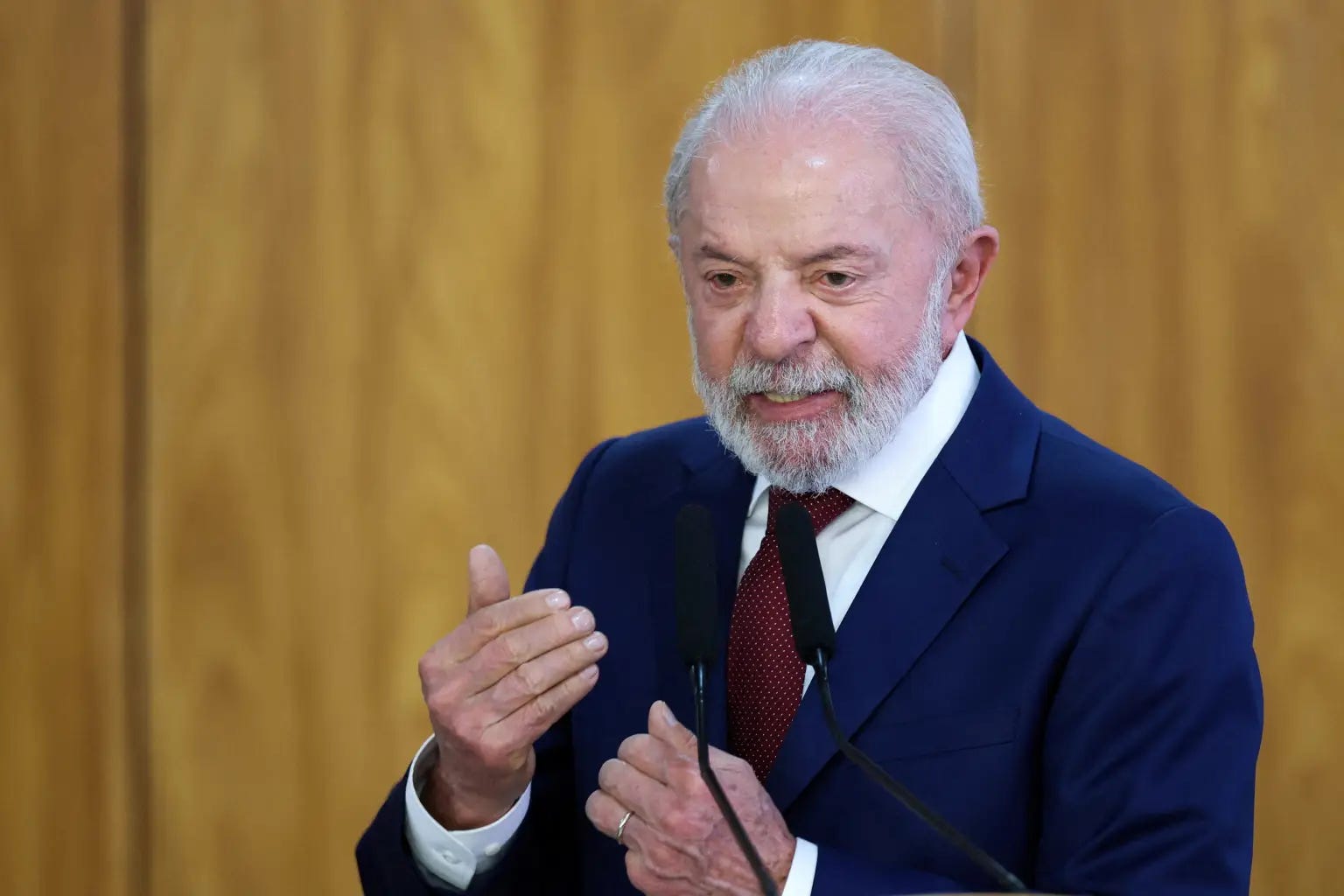
Lula, now 80, is running for a fourth presidential term. By the numbers, this could be his strongest term yet: inflation is down, more people have jobs, and the economy is getting better. The right is struggling after Bolsonaro was sentenced to 27 years in prison for the January 2023 riots. His son Flávio is trying to win over his father’s supporters, but polls show Lula ahead by 10 points. Governor Tarcísio de Freitas is another possible challenger, but conservatives are divided.
I keep thinking about Lula’s age. Can he still lead Brazil with the energy and strength the job needs? He will be 81 on election day and 85 by the end of the term. Brazil faces big problems, like rising crime, deforestation in the Amazon, and dealing with Trump. These challenges require stamina and a long-term plan. Lula leads in every poll, but his age is the main issue people avoid discussing.
That’s all for this week. If you liked what you read, please subscribe.
You’ll get something like this every Monday: one main analytical piece, three important stories from Latin America, and one cultural suggestion to help you learn more about our region.
Gracias por leer. Hasta la semana que viene.