

Lula Is Losing Ground to Bolsonaro’s Son
Brazil’s election is no longer predictable.

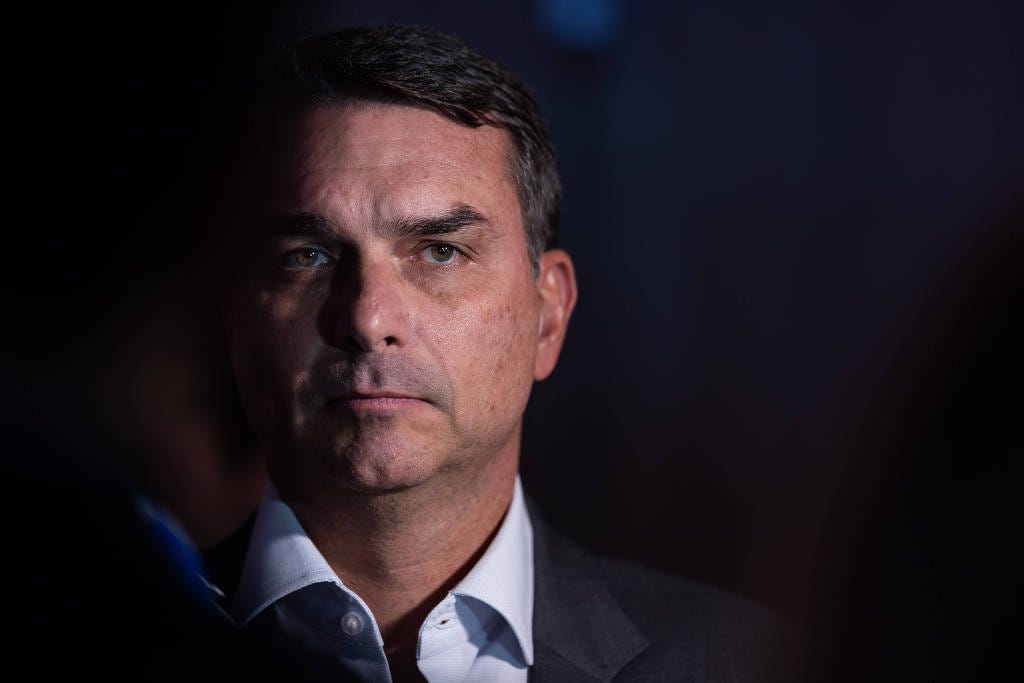
My attention drifted from Brazil for a few weeks. That happens when a political story settles down. Bolsonaro was in prison, Lula had announced his run, and everything looked familiar: the right was weakened, the incumbent enjoyed the usual advantages, and the election seemed set to follow the same pattern of polarization.
But the story has changed faster than I expected.
After reading recent reports and talking with friends in Brazil, I’m seeing a situation I didn’t expect a few months ago. Lula is losing ground, not to a new outsider or a centrist governor. Instead, he is losing to Bolsonaro’s own son. A late March AtlasIntel poll for Bloomberg showed Flávio Bolsonaro slightly ahead of Lula in a runoff: 47.6 percent to 46.6 percent. While that’s basically a statistical tie, it’s important because it’s the first time Flávio has pulled ahead. Other recent polls also show the race getting much closer.
In the first edition of this newsletter, I joked that in Latin America, we can’t seem to elect presidents who don’t end up in prison. Brazil raises this joke to a new, far more serious level. The last presidential race was between two men who have both been jailed, but for vastly different reasons: Lula was imprisoned on corruption charges that were later overturned, while Bolsonaro is in prison for attempting to overthrow Brazilian democracy. These are fundamentally different, both morally and institutionally. Still, the unpleasant truth is that our societies often tolerate corruption more than attacks on democracy, and even that tolerance now stretches dangerously far.
This is part of what makes Flávio’s rise so interesting. He presents himself as a calmer, less extreme version of his father: he is less focused on culture wars, more polished in his political approach, and considered easier to govern with. While his father is known for a combative, divisive style, Flávio’s curated image is one of moderation and unity. When Tarcísio de Freitas, the current governor of São Paulo, stepped aside and endorsed him, much of the right united behind Flávio, turning him from a stand-in into a serious candidate.
Meanwhile, Lula looks more vulnerable as the political mood shifts. Americas Quarterly compared this to Joe Biden’s 2024 problem. I think that is useful up to a point. The issue is not that Lula looks physically diminished. He does not. He still projects energy, experience, and control. The question is whether the country is tiring of him. His disapproval has risen in recent polls, and the cost of living is now an everyday problem that can defeat even skilled incumbents.
What’s even more surprising is that replacing Lula doesn’t seem to help the left. Bloomberg reported that if Fernando Haddad, the former mayor of São Paulo and minister who lost the 2018 presidential election to Bolsonaro, were the PT candidate, he would do even worse against Flávio. So this isn’t just about Lula’s problems. It shows that the Brazilian left still hasn’t built a strong future beyond Lula, much like other Pink Tide movements in Latin America, such as the Kirchners in Argentina or Correa in Ecuador, who have also struggled to find new leaders after their original charismatic figures.
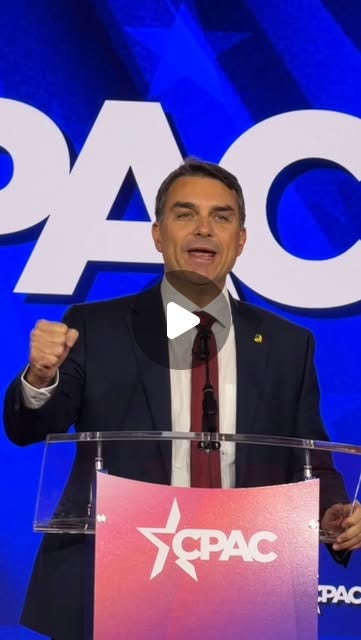
That’s why we must take Flávio Bolsonaro seriously now. The obvious comparison is Keiko Fujimori in Peru: both are political heirs with famous names and loyal bases. However, Keiko has been limited by her family legacy, and Flávio may confront similar barriers. A key difference is that Flávio enters this race with momentum, elite support, and a voter base seemingly more open to forgiving his family’s past, while Keiko has struggled to overcome her own legacy in multiple presidential bids. Maybe Brazilians will decide Bolsonaroism without Bolsonaro is still too much.
Brazil’s election is once again one of the main political stories in Latin America.
Trump and Noboa’s War on Drugs Is Missing Its Target
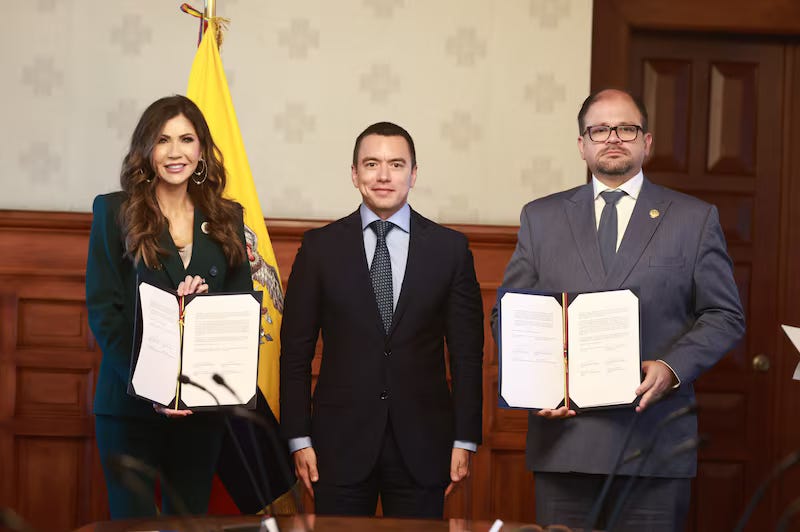
A New York Times investigation found that the March 6 bombing, which the Pentagon called a strike on a “narco-terrorist supply complex,” actually hit a cattle and dairy farm in Sucumbíos. Journalists on the scene saw no evidence of drug activity, only dead animals and scorched land. Workers said soldiers arrived days earlier, destroyed buildings, and then helicopters returned to drop explosives.
While it is possible the military has information it has not made public, this lack of transparency creates serious problems that need to be addressed.
This problem worsens when the war is portrayed as existential, with broad legal powers, external support, and pressure to deliver results. When that happens, accuracy becomes less important, accountability declines, and mistakes become more common.
Ecuador faces real threats, but poorly executed operations undermine the fight against organized crime and weaken the government’s credibility. The biggest danger is not just letting criminals go free, but making the crisis worse by losing the public’s trust.
If the government loses legitimacy, only its enemies win.
Arévalo: A President Without a Party
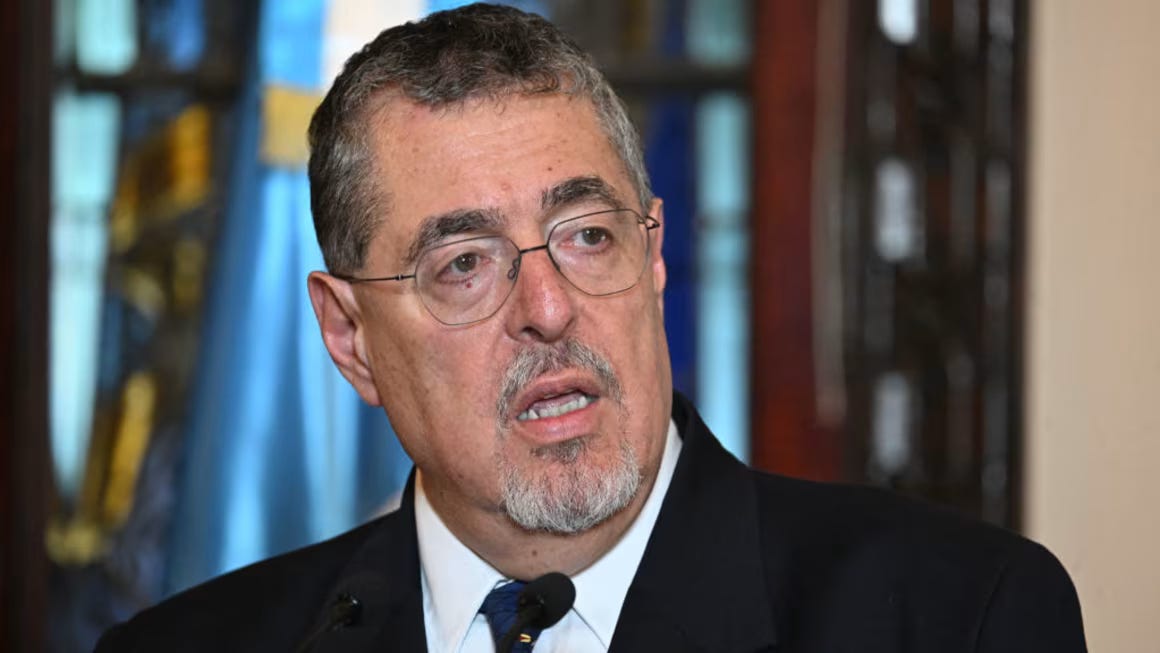
Bernardo Arévalo made it to the presidency against all odds. But that fight did not end with his inauguration, and this week made that clearer than ever: On March 27, Guatemala’s electoral authorities officially dissolved Movimiento Semilla, the party that supported his candidacy. As a result, Arévalo is now governing without a political party, something almost unheard of. Meanwhile, he announced plans to build a maximum-security prison, but a court suspended the project two days later.
This pattern has persisted throughout Arévalo’s presidency. As he works to make changes in a system still influenced by groups that previously challenged his election, these groups remain active. They continue to use the courts, prosecutors, and official decisions to influence what he can do as president.
The coming weeks will be important, especially because a new Attorney General will be chosen in May. This decision could shift the balance of power in the government.
With all of this unfolding, Guatemala is a country we need to watch closely right now.
Central America Dreams Big
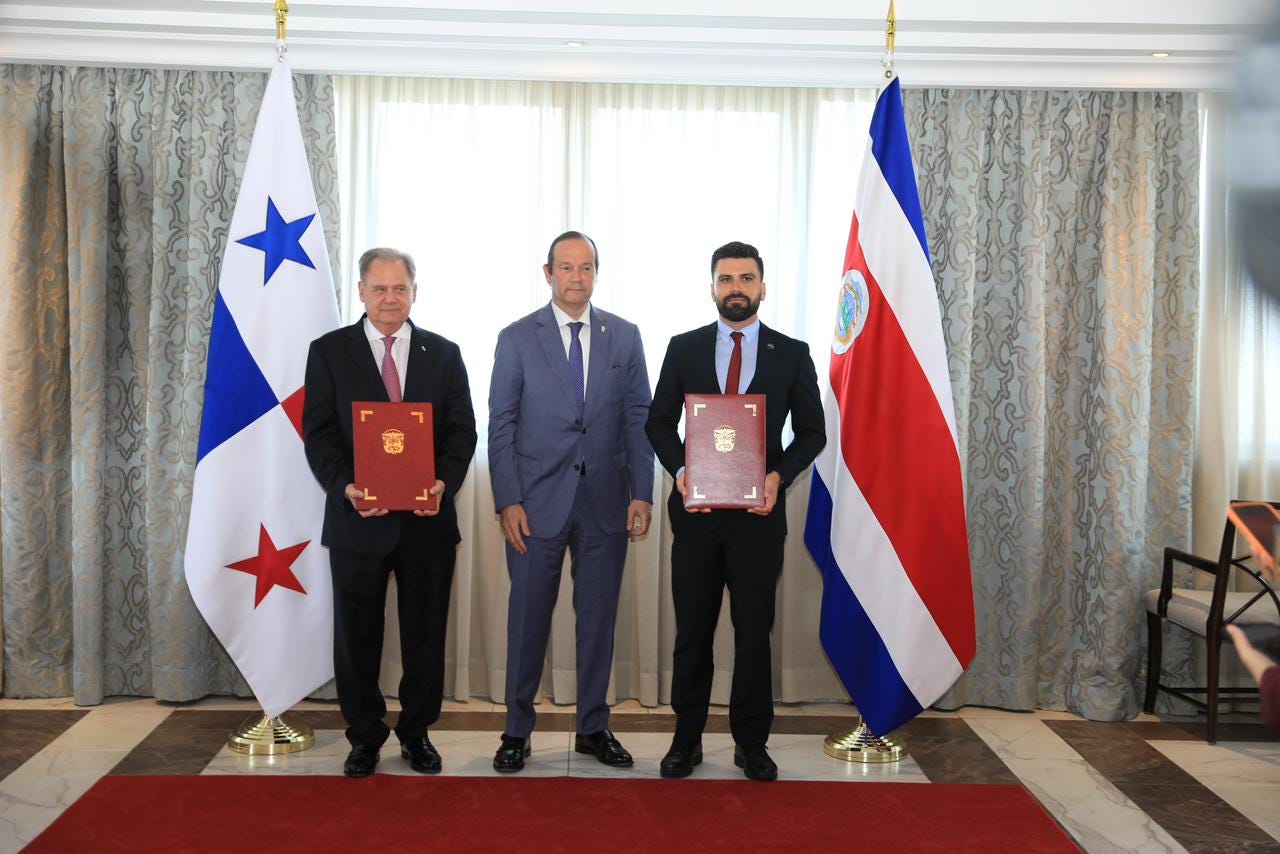
This month, Panama and Costa Rica agreed to take the next steps on a cross-border railway project. The plan is bold: a new rail line would link Panama City to the Costa Rican border and might one day stretch farther north as part of a bigger regional network. For now, it is still only a proposal. There is no funding yet, and the schedule is uncertain.
Skepticism is understandable. In Central America, many infrastructure projects have stalled due to lengthy studies, political issues, or a lack of funding, and many never get built.
Still, this is the kind of project the region needs. Most trade in Central America depends on roads, which often leads to inefficient logistics and weak cross-border links. A working rail network could help by lowering costs, strengthening connections, and making regional trade more competitive.
There are real concerns, especially regarding the environment and land use, which deserve serious attention. But if every major project is always blocked or delayed, the region cannot progress. Central America needs to take action, start building, face challenges, and invest in its future now.
Mercedes Sosa: The Voice That Stayed
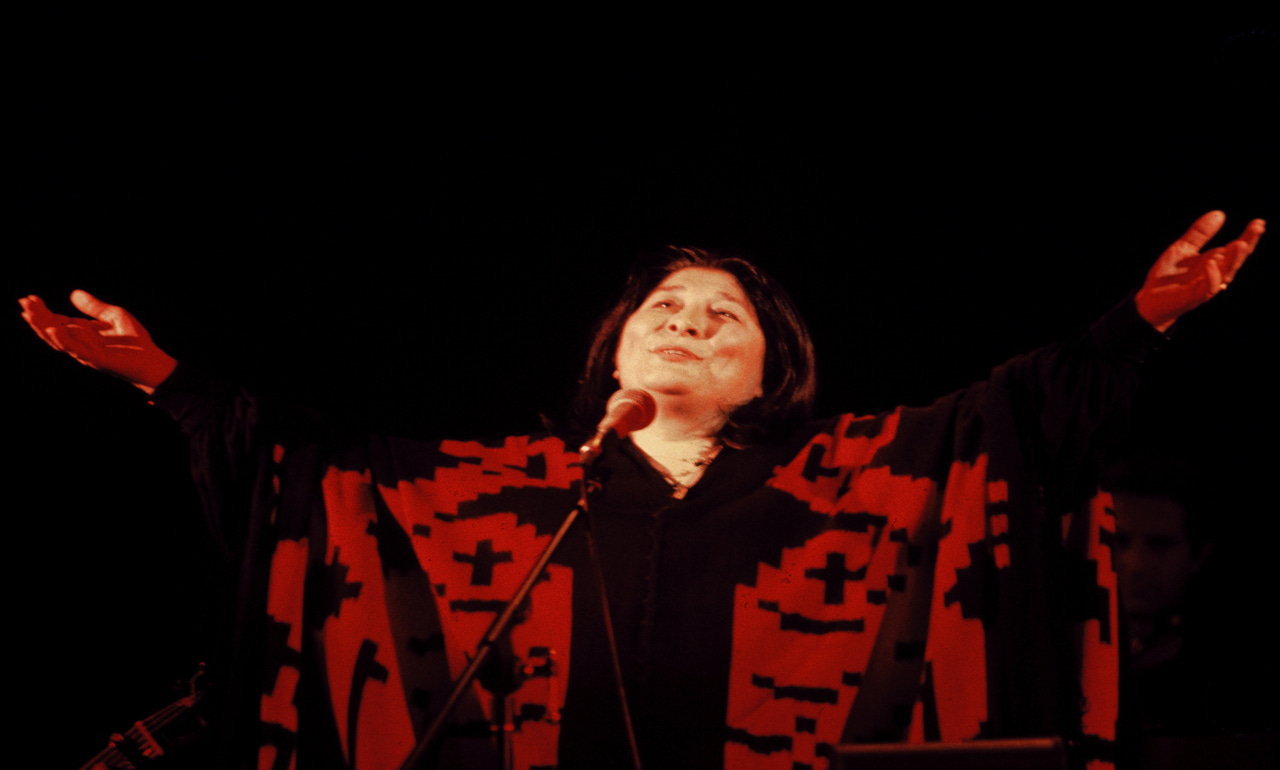
This week, I watched some documentaries about Argentina’s dictatorship, especially now that we’re past the 50-year mark since it began. And then yesterday, I saw Project Hail Mary. I didn’t think these would have anything in common, but somehow they did.
Mercedes Sosa was in both.
In the film, there’s a moment when Gracias a la Vida plays. I won’t give any spoilers, but it caught me off guard. I’m taking it as a sign to talk about her this week.
Mercedes Sosa was more than a singer. As a leader in the Nuevo Cancionero, she changed Argentine and Latin American music in the 1960s. The movement’s message was simple: music should reflect real life and speak to workers, indigenous identity, inequality, and memory.
Tracks like Alfonsina y el Mar, Solo le pido a Dios, and Canción con todos express shared experience. Even when she didn’t write the songs, she chose them carefully and sang them so they felt universal. Her slow, deliberate voice made every word matter.
That’s why she became a threat to the dictatorship after 1976. Her music wasn’t propaganda, but it didn’t need to be. It reminded people what they were losing. Her concerts became spaces of self-recognition. That was enough: she was banned, arrested during a show in La Plata, and forced into exile.
Like Celia Cruz, exile helped her reach more people. She recorded in Europe, toured Latin America, and became a symbol for a generation living abroad. When she returned to Argentina in 1982, she sold out every concert. People were waiting for her.
It’s interesting that her music still appears in unexpected places, like a sci-fi movie. This happens because her songs connect with people; they aren’t tied to one moment but carry memories and real emotion.
Argentine music legend Fito Páez calls her the voice of all the love in the world. I remember how significant her death was in 2009, all over Latin America. That’s why La Negra, as she’s affectionately called, Mercedes Sosac still matters: her politics and the way her music united people make her legacy all the more important.
That’s all for now. If you found this valuable, here’s how you can support me:
Subscribe for free to get editions like this every week: one main analytical piece, three important stories from Latin America, and one cultural recommendation to help you understand our region better.
Like this post by tapping the heart button. It helps more people discover LatAm Explained.
Leave a comment below. I read every single one, and your perspectives make my content better.
Share this with someone who’d appreciate my analysis of Latin America. Forward this email, or use the button below:
You can also follow me on Instagram, X, and TikTok for more of my content.
Gracias por leer. Hasta la semana que viene.