

Milei Didn't Start Argentina’s Conflict With Iran
This goes beyond alignment with the U.S. and Israel.

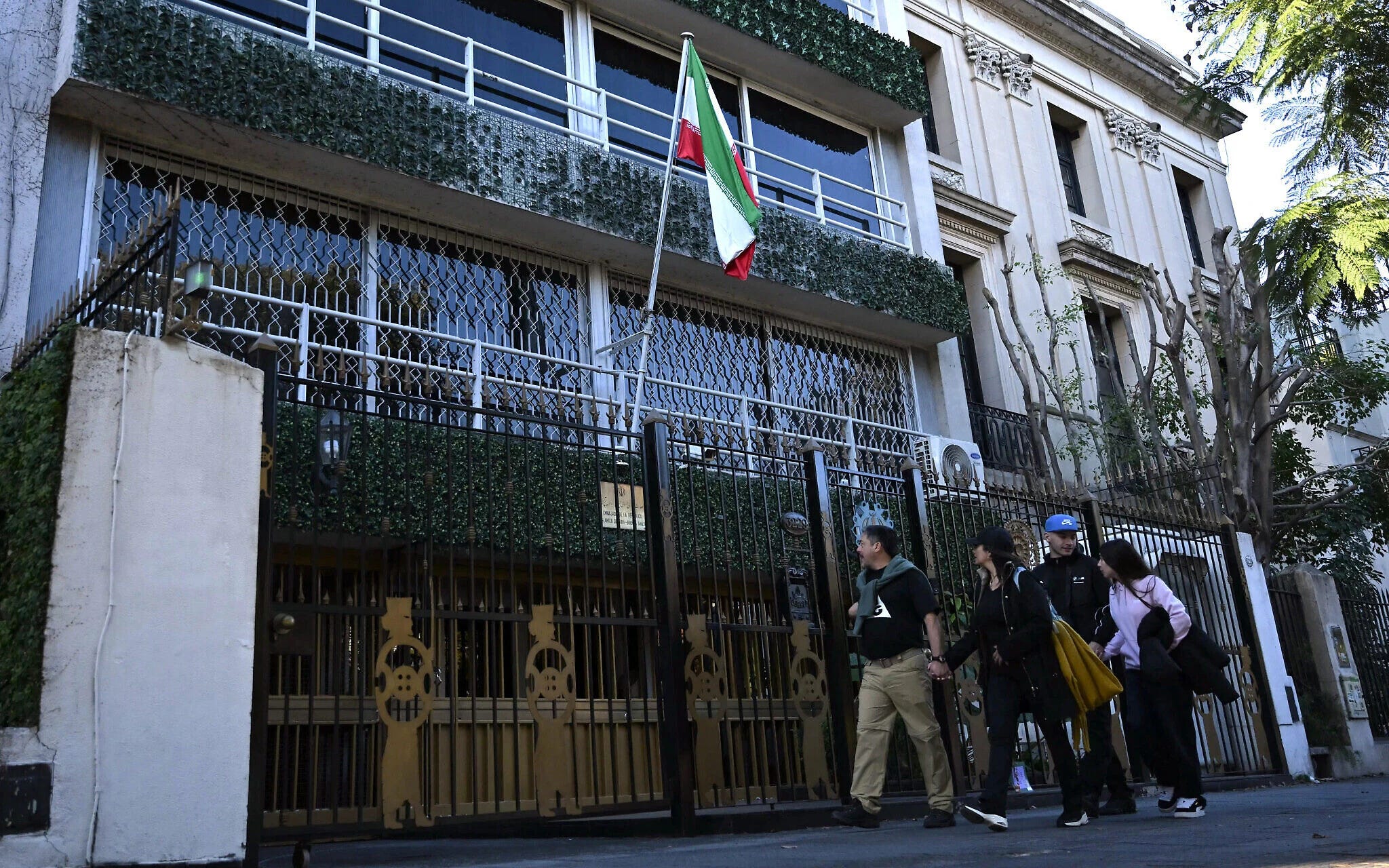
On March 31, Argentina labeled Iran’s Islamic Revolutionary Guard Corps a terrorist group. Two days later, it expelled Iran’s top diplomat. At first glance, this may seem like another attempt by Javier Milei to partner with the United States and Israel, reflecting his ideological foreign policy. But that’s only part of the story. Argentina has its own violent past with Iran.
That past includes two major attacks: In 1992, a bomb targeted the Israeli embassy in Buenos Aires. Two years later, the AMIA Jewish community center was bombed, killing 85 people and injuring over 300. It was the deadliest terrorist attack in Argentina’s history. For years, it was the worst antisemitic attack worldwide since the Holocaust. Argentine courts have long said Hezbollah carried out the attack under orders from Iran.
Now, Milei is intensifying this longstanding conflict, bringing it back into public focus and making it central to Argentina’s international identity under his leadership.
This fits Milei’s outsider image against the previous Argentine political class. However, while millions support him for economic achievements and anti-establishment views, few share his interest in Middle East policy. Many instead wonder, ‘Why are we involved there?’
The AMIA case has long symbolized impunity in Argentina, marked by judicial errors, political interference, and cover-ups. The investigation was so poorly handled that the judge in charge was impeached and jailed for evidence tampering.
Amid this context, in 2013, President Cristina Fernández de Kirchner signed a memorandum with Iran, claiming it would help the AMIA investigation through a joint truth commission. However, many saw it as a political move that could weaken accountability rather than clarify it. The agreement never fully took effect and was later ruled unconstitutional. Still, it had an impact. Many Argentines felt their government was willing to blur the lines on one of the country’s most painful crimes.
These tensions intensified with the role of Alberto Nisman, the prosecutor who spent years on the AMIA case. He accused Kirchner’s government of trying to cover up Iran’s involvement. The day before he was set to present his findings to Congress, he was found dead in his Buenos Aires apartment. For years, people in Argentina debated whether it was suicide or murder. Now, the courts have made their position clear: Nisman was killed. His death was connected to his work on the case.
All of this means the U.S.-Iran war carries greater weight in Argentina than in other parts of the region. There is a powerful sense that the state failed first to protect its people, then to deliver justice.
Milei calls himself the most Zionist president in the world. He puts Israel at the center of his foreign policy and plans to move Argentina’s embassy to Jerusalem. In this view, Iran is not just the unresolved source of past attacks, but also the enemy in Milei’s chosen narrative.
That position is not widely shared at home. A recent poll found that around two-thirds of Argentines reject Milei’s stance on the Middle East. It could affect Argentina’s security posture, international alignments, and the way state institutions respond to threats, both domestically and abroad.
Argentina is home to one of the world’s largest Jewish communities, with enduring memories of Iranian-backed terrorism shaping public expectations. Some see Milei’s alignment as overdue accountability; others worry that a more confrontational posture increases exposure without solving the underlying problem.
Because that underlying problem is still there. Argentina spent three decades failing to deliver justice in the AMIA case. That failure is domestic before it is geopolitical. Acting abroad does not replace the need to resolve what was left unresolved at home.
“Peru’s Zelensky” May Reach The Runoff
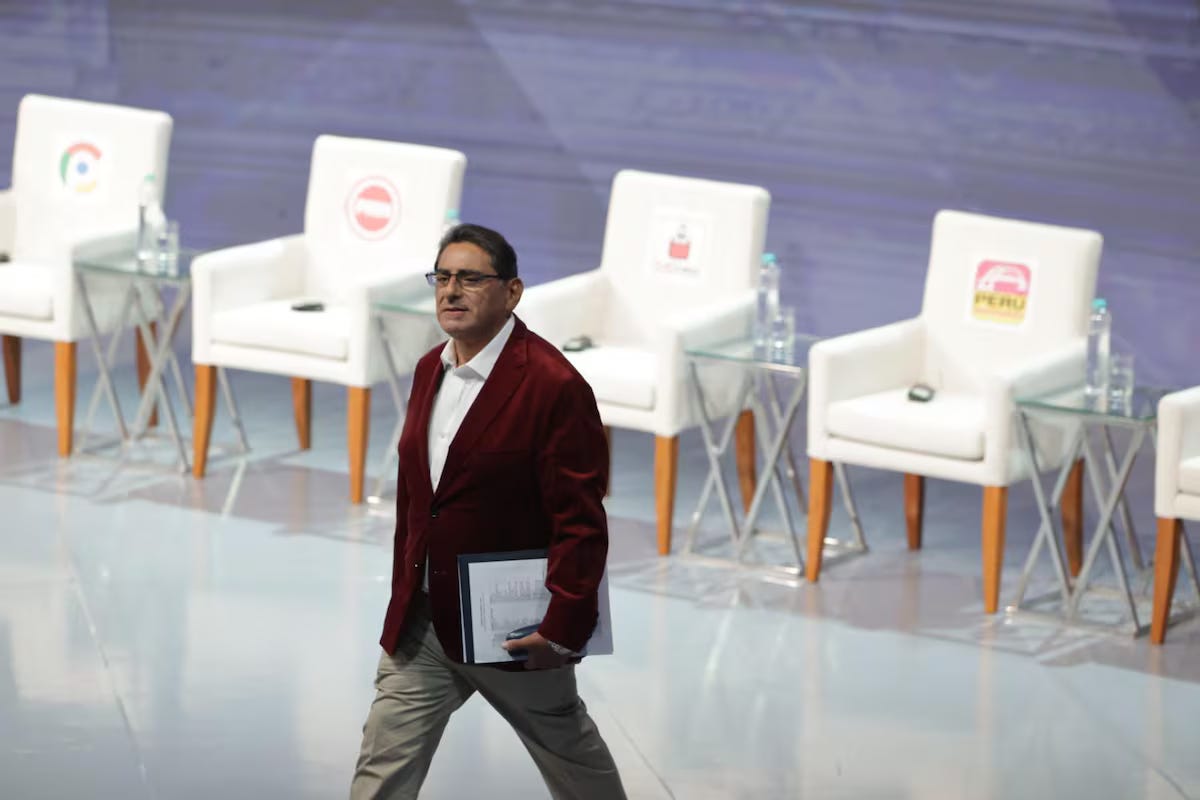
Carlos Álvarez, a veteran political comedian, jumped from about 2 percent in late 2025 to second place in the final polls before the blackout. This puts him in a position to face Keiko Fujimori in the runoff. In the latest Ipsos poll, he got 12.1 percent of valid votes, ahead of Rafael López Aliaga.
Many Peruvians expected another race led by familiar names: Fujimori, the daughter of right-wing dictator Alberto Fujimori and a four-time presidential candidate, and former Lima mayor and right-wing populist López Aliaga. Instead, Álvarez has emerged as a true outsider—a comedian with strong right-wing views and no real ties to the party system that has lost public trust over the past decade. In 2021, I called the runoff the most polarized election in Peru’s history. Now, what we see unfolding may not be a battle between left and right, but between two right-wing candidates: one weighed down by the old political order, and the other gaining from having no connection to it.
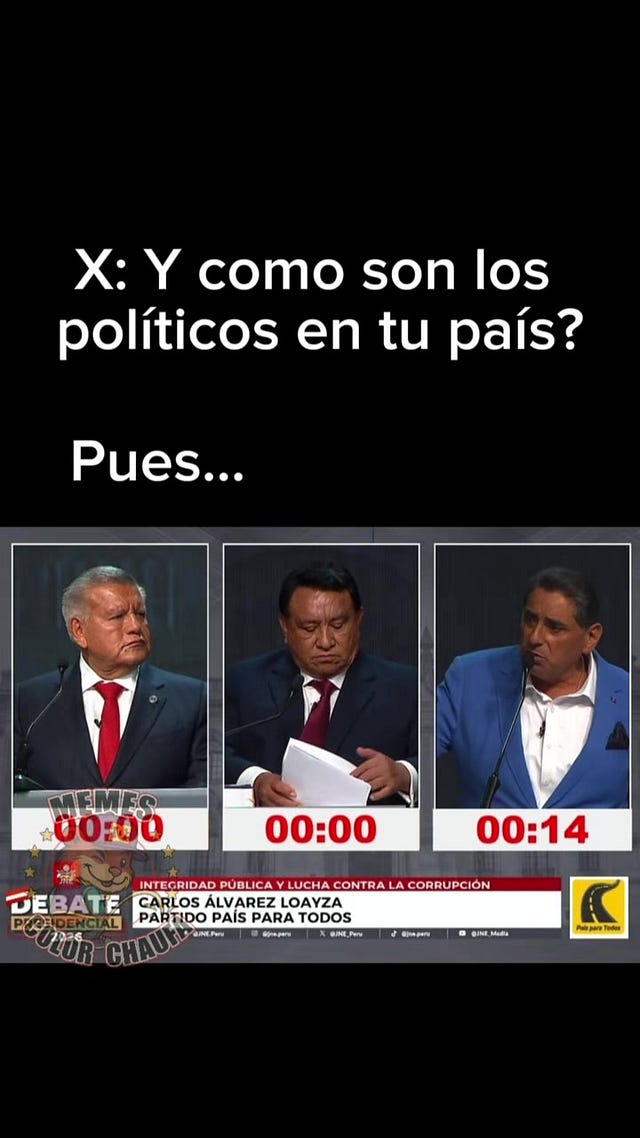
Álvarez’s rise also reveals problems with Peru’s institutions. Only 7 percent of people trust Congress, and 90 percent disapprove of the political establishment. Against this setting, having stage presence can be a real political advantage. Álvarez stood out in debates because he seemed quicker, sharper, and less compromised than his rivals. A friend of mine sent me this meme the other day:
 Tiktok failed to load.
Enable 3rd party cookies or use another browser
That doesn’t necessarily mean he’s a good candidate. Instead, it shows that he appeals to voters who are frustrated and want to punish the system before thinking about what comes next.
Trump Still Has Power Over Petro, Even Without Charges
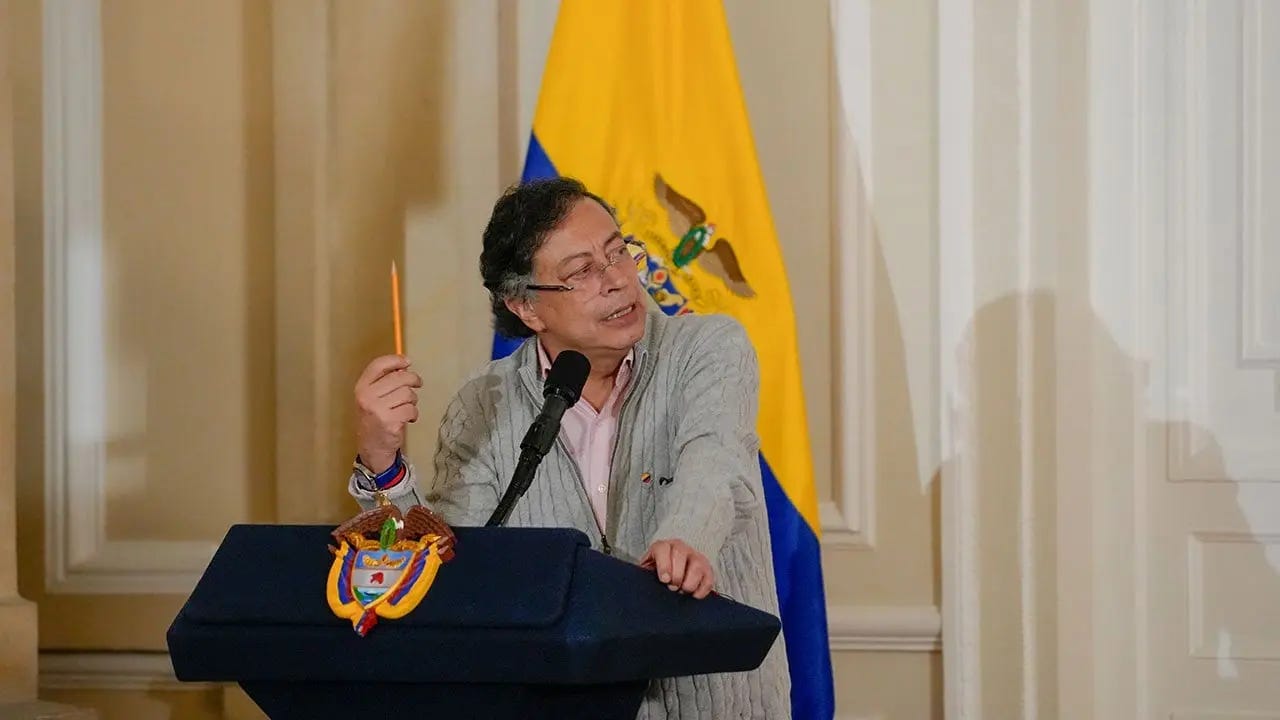
Eleven days after reports named Gustavo Petro as a main U.S. target, the New York Times clarified that he does not face any U.S. criminal charges in the investigations that unsettled his government in late March. Recent updates state that the investigations are at an early stage, Petro is not the primary focus, and no indictment is expected soon.
But that does not mean the episode was politically harmless. What this showed, again, is how much influence Donald Trump continues to have over Petro, even without a formal case. Over the past year, their relationship shifted from open conflict to a more strategic coexistence. There were threats of tariffs, visa disputes, and sanctions, and then a surprisingly friendly White House meeting in February.
The sequence of events matters. Even if the investigations proceed independently, their public discussion is always political. The leak alone hurt Petro, revived old doubts about his associates, and fueled new uncertainty during Colombia’s election season.
The main issue, then, is not the likelihood of Petro being charged, but rather that Washington has shown its ability to exert pressure on Petro’s government whenever it chooses.
Cuba’s Oil Relief Comes With Strings Attached
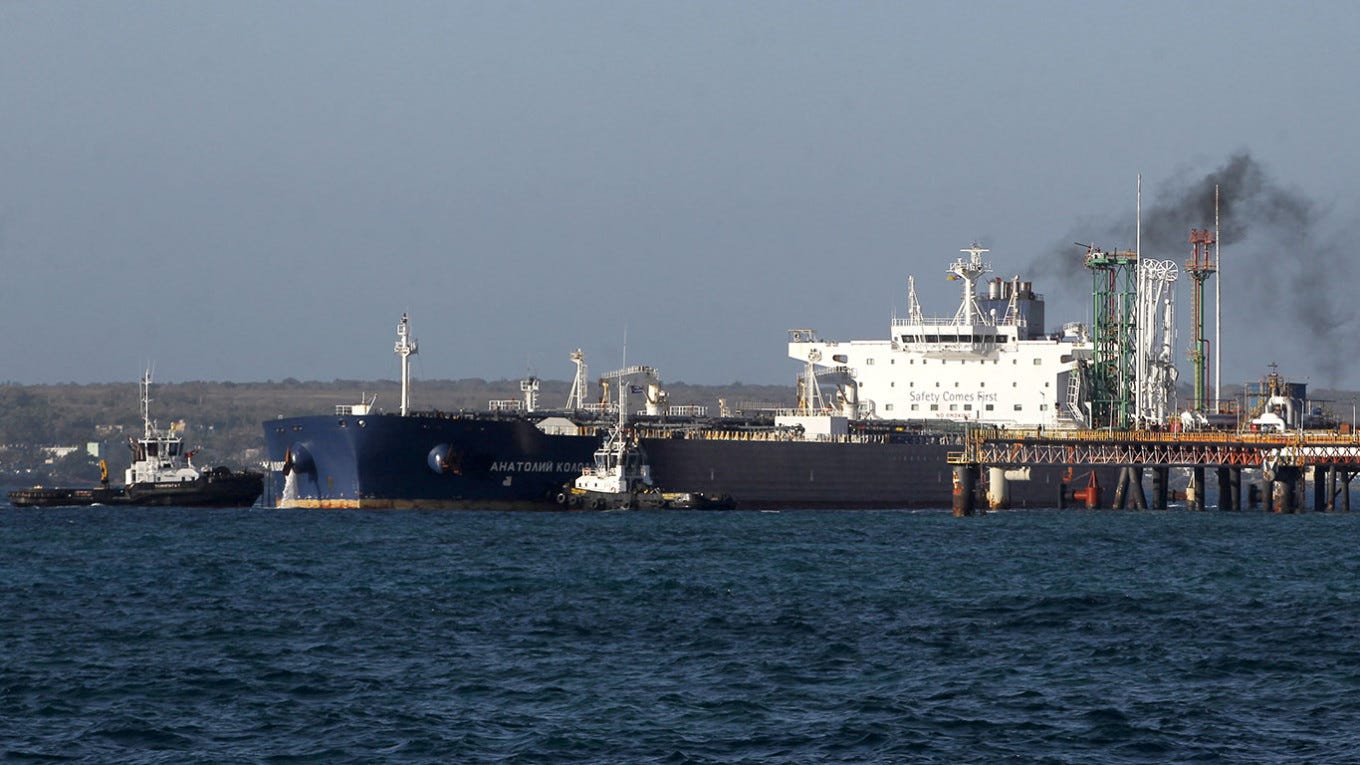
The arrival of a Russian oil tanker in Cuba this week was presented by Washington as a humanitarian exception. On March 31, the sanctioned Anatoly Kolodkin docked in Matanzas with about 730,000 barrels of crude, the island’s first shipment in nearly three months. But the amount is far from enough to resolve the crisis; it covers only 9 to 12 days of Cuba’s fuel needs, in a country already plagued by repeated grid collapses, blackouts lasting up to 20 hours, and acute diesel and gasoline shortages.
This is why the humanitarian explanation does not seem to tell the whole story. If Trump had simply wanted to ease suffering, a single shipment would make little sense, especially when another vessel was reportedly diverted under OFAC pressure almost immediately after. The more plausible reading is political. This looks less like a concession than a controlled signal, enough to keep Cuba from total collapse while preserving leverage over what comes next. If Trump allowed this shipment through, it may be because he sees some value in managing the timing of that vulnerability rather than ending it.
And that vulnerability now overlaps with signs of political movement, including the release of more than 2,000 political prisoners. The point is not that Washington is easing pressure. It may be using limited relief to manage a transition on its own terms.
The Uruguayan Doctor Who Became a Rockstar
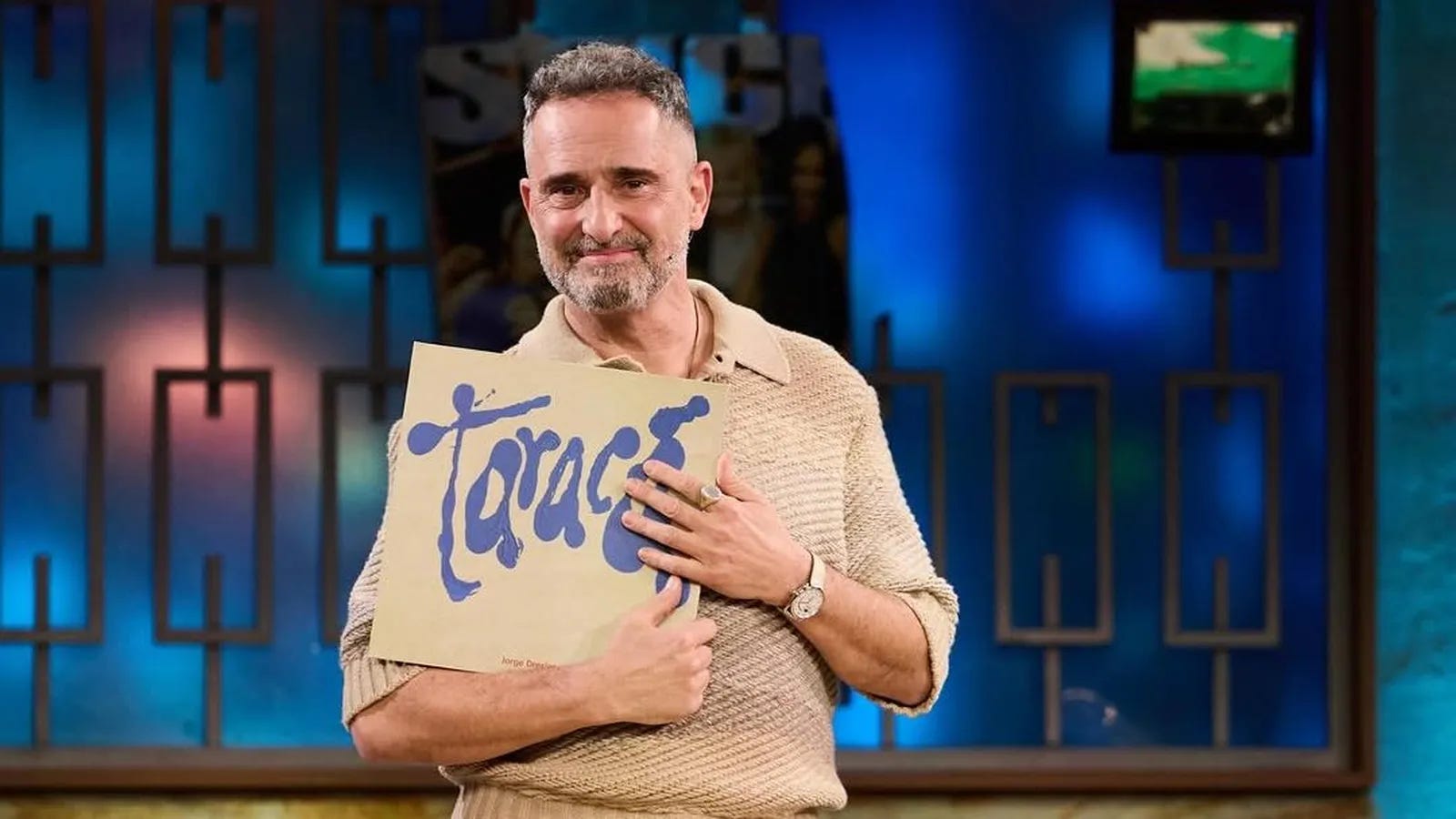
Jorge Drexler has never fit the typical rockstar image. He studied medicine, became a doctor, and only later moved to Spain to pursue music. Even after decades in the industry, his science background still shows. He approaches music with curiosity, wanting to understand it rather than control it.
His new album, Taracá, continues that spirit. It’s likely one of Latin America’s standout albums this year.
The album brings him back to Uruguay in a clear and intentional way. It features a lot of candombe and reflects a personal time in his life, especially after his father passed away. What’s interesting is that it doesn’t come across as just a nostalgic look back. He’s an artist who knows how to stay relevant and up to date. Drexler keeps working with younger artists, adapting, and staying connected to the direction music is heading.
For many people, Drexler’s defining moment is still his Oscar win in 2005. “Al Otro Lado del Río” became the first Spanish-language song to win Best Original Song. The Academy didn’t let him perform it because they didn’t think he was famous enough. So when he won, he walked on stage, knelt in front of Prince, and sang it a cappella. The coldest acceptance speech ever, if you ask me.
I didn’t listen to Taracá when it came out. My friend Bryan Larez (who also released new music—go listen) suggested it back then, but I waited. Then Ares Biescas mentioned it again last week. I finally listened, and it impressed me. I’ve seen Drexler live twice, in Buenos Aires and Caracas, and highly recommend seeing him if you have the chance.
That’s all for now. If you found this valuable, here’s how you can support me:
Subscribe for free to get editions like this every week: one main analytical piece, three important stories from Latin America, and one cultural recommendation to help you understand our region better.
Like this post by tapping the heart button. It helps more people discover LatAm Explained.
Leave a comment below. I read every single one, and your perspectives make my content better.
Share this with someone who’d appreciate my analysis of Latin America. Forward this email, or use the button below:
You can also follow me on Instagram, X, and TikTok for more of my content.
Gracias por leer. Hasta la semana que viene.